


The Impact of Lighting on Transforming Interior Spaces

Updated: Apr 30
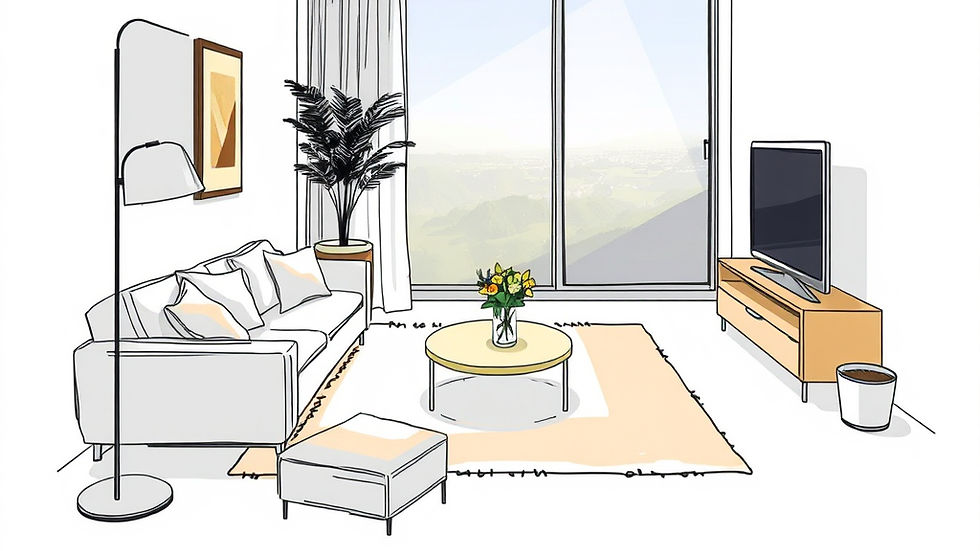
Lighting is a key factor in interior design. It is often overshadowed by furniture and decor, but the right kind of lighting can change the mood, usability, and look of a room. This blog post explores how lighting transforms spaces, making them more beautiful and functional.
Understanding the Basics of Lighting
Before we explore how lighting can change a room, let's look at the main types of lighting. There are three essential categories: ambient, task, and accent.
Ambient lighting is the general light that fills a room. It creates a comfortable level of brightness without glare. Common sources include ceiling fixtures, wall sconces, and natural light from windows. For instance, a well-lit living room with a central chandelier can make the area feel welcoming.
Task lighting focuses on specific areas used for activities like reading, cooking, or working. Desk lamps, under-cabinet lights, and pendant lights are great examples. If you often work at home, having a dedicated task light can enhance your productivity by providing direct illumination.
Accent lighting highlights specific features, such as artwork or architectural details. Spotlights or track lighting can draw attention to a focal point, creating visual interest in the space.
Understanding these types of lighting is essential for utilizing their full potential in your home.
The Psychological Effects of Lighting
Lighting affects our emotions and behaviors more than we realize. Research indicates that varying lighting conditions can impact our moods and productivity.
For example, brighter, cooler-toned lighting can boost our energy levels. This is especially useful in workspaces where focus is essential. Studies show that environments with adequate lighting can improve productivity by as much as 20%. In contrast, warm, dim lighting creates a cozy atmosphere, ideal for relaxing after a busy day.
By strategically using different lighting types, you can create spaces that meet both functional and emotional needs. This flexibility is a significant advantage of good lighting design.
Enhancing Space Perception
The way we perceive a room can be significantly influenced by lighting. Well-placed lights can make small areas appear larger and more open, while poorly lit spaces can feel cramped.
For example, using wall sconces can draw the eye upward, creating a feeling of height. Also, strategically placing mirrors can amplify light, making rooms feel more expansive. A well-lit hallway with mirrors could make the space feel double its size, providing an open and inviting atmosphere.
On the other hand, dark corners can create a sense of confinement. Ensuring that all parts of a room are well-lit enhances the overall perception and comfort of the space.
Creating Ambiance with Color Temperature
The color temperature of the light you choose is crucial in setting the mood. Measured in Kelvin (K), color temperature can range from warm (around 2700K) to cool (above 5000K).
Warm lighting is often associated with relaxation and comfort, making it perfect for bedrooms and living rooms. For example, using warm-tone LED bulbs in a reading nook can make it a pleasant place to unwind.
Cool lighting, on the other hand, creates a clean and modern environment, suitable for kitchens and workspaces. Kitchens with cool lighting can enhance focus, increasing the likelihood of efficient meal preparations.
Choosing the right color temperature for each room can greatly influence the atmosphere and purpose of your interior spaces.
Layering Light for Depth and Interest
An effective way to transform a space is through the concept of layering light. This approach combines ambient, task, and accent lighting to create a lively and functional environment.
For instance, in a living room, a central chandelier can provide ambient light, while table lamps offer task lighting. Adding spotlights to showcase artwork can pull the design together. This layering creates depth and allows you to adjust lighting based on activities or moods.
Experimenting with various light sources can lead to a balanced environment that enhances your style and meets your daily needs.
The Role of Natural Light
Natural light is a vital aspect of interior design. Not only does it beautify a space, but it also promotes health and well-being. Studies reveal that exposure to natural light can boost mood and productivity by up to 15%, as well as improve sleep quality.
To maximize natural light, consider the layout of windows and mirrors. Light-colored walls can reflect sunlight to brighten a room. Open floor plans and minimal window treatments also allow more daylight in, creating a bright, inviting atmosphere.
Incorporating natural light into your design creates uplifting spaces that feel alive and connected to nature.
Choosing the Right Fixtures
Selecting lighting fixtures is essential for achieving your desired aesthetic. Fixtures come in various styles and materials, each influencing the overall design.
For example, a sleek pendant light can be a bold statement piece in a modern kitchen, while a vintage chandelier adds character to a traditional dining room. When choosing, consider their appearance and functionality. Ensure the fixtures provide enough light for their intended uses and harmonize with your overall decor.
Energy Efficiency and Sustainability
Energy efficiency and sustainability are more important today than ever. Opting for energy-efficient lighting, such as LED bulbs, can reduce energy use by up to 80% compared to traditional incandescent bulbs. This choice not only lowers your electricity bills but also benefits the environment.
Many modern fixtures are designed with eco-friendliness in mind, using recyclable materials. By investing in energy-efficient solutions, you can create stylish spaces while caring for our planet.
Final Thoughts
Lighting is a powerful tool in transforming interior spaces. Understanding the different types of lighting, the psychological effects of light, and the importance of layering can help you create beautiful, functional, and welcoming environments.
Whether redesigning a single room or an entire home, consider the effects of lighting on your choices. With thoughtful planning and creativity, you can harness lighting's transformative power to enhance your interior spaces, making them more inviting and enjoyable.


Comments